


Cyprus stays near bottom of EU renewable electricity table
Cyprus ranked fourth from last in the EU for the share of renewable electricity in the second quarter of 2026, Eurostat data shows, with solar dominating the island's renewable output.
Cyprus ranked fourth from last in the European Union for the share of electricity generated from renewable sources in the second quarter of 2026, according to Eurostat data reported by Cyprus Mail. Only France, Malta, the Czech Republic and Slovakia recorded lower shares than the island.
Across the EU as a whole, 54.1 per cent of electricity generated in the second quarter of 2026 came from renewable sources, slightly below the 54.3 per cent recorded in the same period of 2025. Solar was the leading renewable source in the bloc, accounting for 41.6 per cent of renewable electricity, up sharply from 37.0 per cent a year earlier. Wind followed at 27.7 per cent and hydropower at 22.6 per cent, with combustible renewable fuels at 7.7 per cent and geothermal and other sources at 0.4 per cent.
The gap between member states remains wide. Latvia recorded the highest share at 97.7 per cent, mainly from hydropower and solar, followed by Denmark at 94.3 per cent on the back of wind power and Croatia at 92.2 per cent, largely hydropower. At the other end, Slovakia posted the lowest share at 19.8 per cent, ahead of the Czech Republic at 20.9 per cent and Malta at 24.5 per cent.
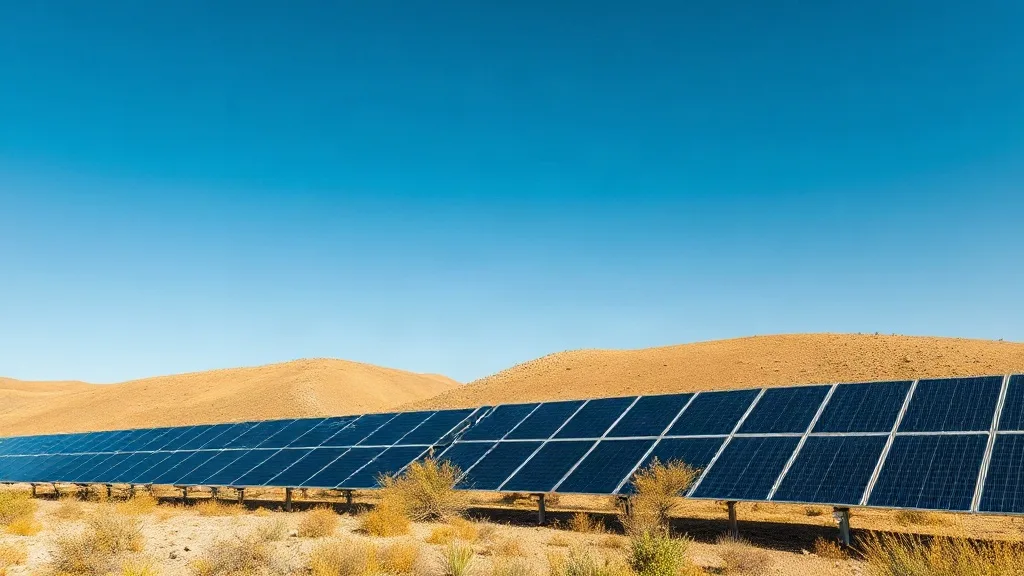
More recent monthly figures for Cyprus show solar power accounted for 26.27 per cent of net electricity generation in July 2026, with wind contributing 3.24 per cent and combustible renewable fuels 0.46 per cent. Together, renewables and biofuels made up 29.98 per cent of the island's net generation that month, underlining how heavily Cyprus's renewable output depends on solar.
What it means for residents
The ranking matters less for prestige than for bills and reliability. A grid still largely fed by imported fuel keeps Cypriot households and businesses exposed to volatile international energy prices, and slower renewable build-out means the island misses chances to lock in cheaper solar power.
- Electricity costs: a low renewable share leaves bills tied to fuel prices rather than to the island's own sunshine, so savings from solar capacity depend on how quickly more of it is connected.
- Self-generation: with solar already the backbone of local renewable output, rooftop panels and net metering remain the most direct way for households to cut what they pay.
- Watch the grid: new capacity only helps if the network can absorb it, so updates on storage and grid upgrades are worth following alongside the annual Eurostat figures.
This text is written from the source article and is not a translation of it.