


Christodoulides and Erhurman agree emergency response text, no new crossings
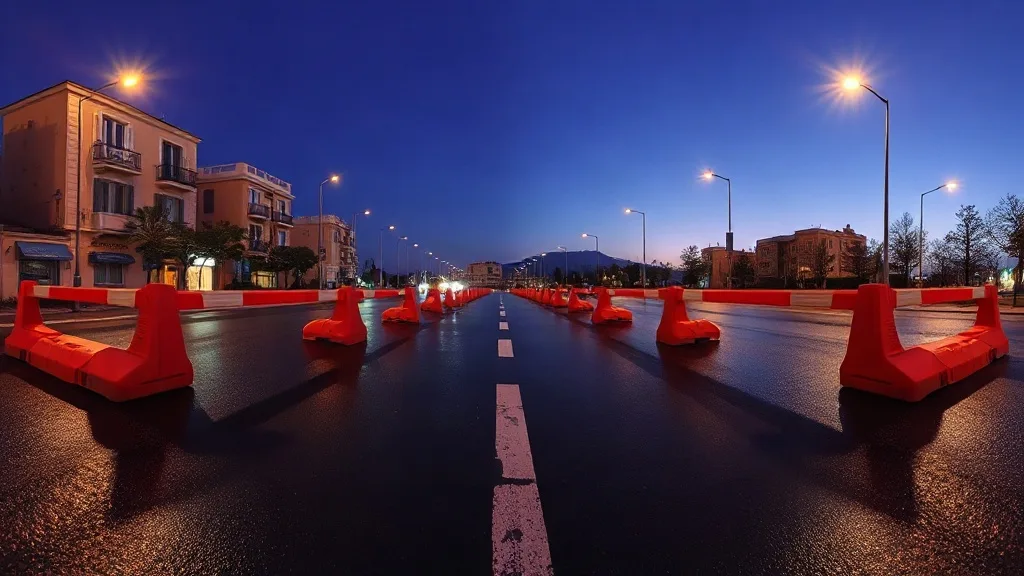
The two leaders endorsed a bicommunal rapid emergency mechanism at their meeting in the buffer zone, but failed to add crossing points beyond the two already agreed.
President Nikos Christodoulides and Turkish Cypriot leader Tufan Erhurman met one-on-one in Nicosia’s buffer zone on Tuesday and approved the text setting out a bicommunal rapid emergency response mechanism. A joint project by the environment and education technical committees, called Green Cyprus: Voices for a Sustainable Future, was also endorsed, along with the EduBites programme.
The two sides could not reach agreement on adding further crossing points, beyond the pair they had already decided to open simultaneously at an earlier meeting this month. The United Nations said the leaders went over how the confidence-building measures from that meeting are progressing, and discussed carrying them out quickly, including the two crossings already settled.
They also confirmed they are ready to sit down with UN Secretary-General Antonio Guterres as soon as such a meeting can be arranged. The UN statement added that talks on further crossings and other pending matters will continue.
What it means for residents
The emergency mechanism matters most for people living near the divide: if a wildfire, earthquake or major accident crosses the line, response teams on both sides will be working from a shared text instead of improvising. The crossing-point question, by contrast, stays where it was — no new routes for now.
- Emergency planning: a joint response framework means faster coordination when a disaster affects both communities.
- Crossings: only the two already agreed will open; anyone hoping for extra routes should not plan around them yet.
- Religious services: the leaders reaffirmed a six-month plan for services across the island, renewable afterwards.
This text is written from the source article and is not a translation of it.