


Cyprus bets €200m on desalination to end water worries
Four permanent plants are planned so the island can cover all its needs from the sea, the agriculture minister says, with reservoir water then freed up for farmers.
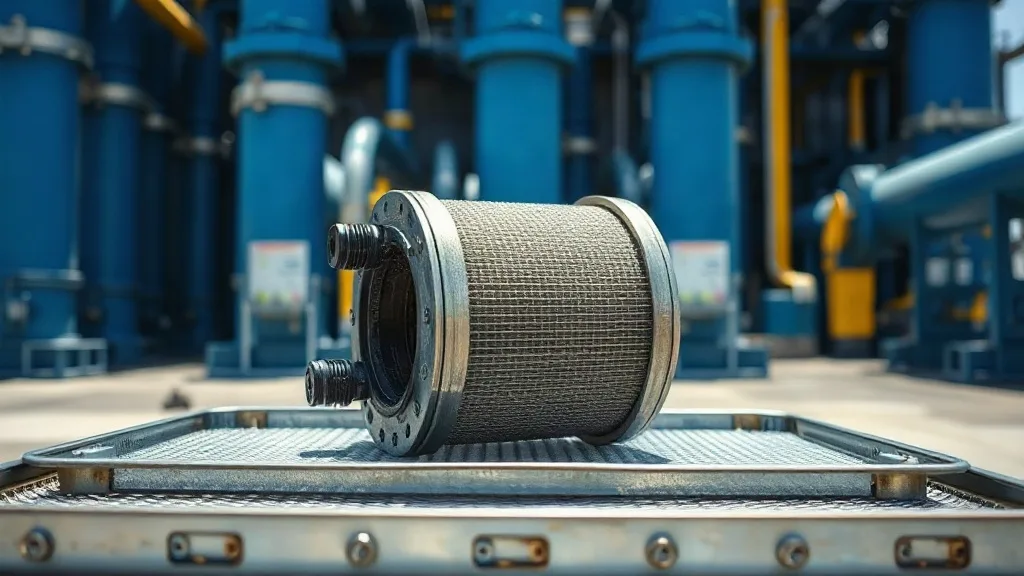
Cyprus intends to build four permanent desalination units and, once they run, to meet the island's entire water demand from the sea, Agriculture Minister Christos Senekis told the Cyprus News Agency. He described the programme as the biggest money ever committed to water security since the 1980s, with more than €200 million going into the plants.
Under the plan, water held in reservoirs would be left for farmers, who would be told in advance how much is available and could plan around each season. Roughly 43 per cent of the ministry's budget for next year is set aside for water infrastructure, a scale Senekis compared to the Kouris Dam and the Southern Pipeline.
Reclaimed water is being expanded as part of the same strategy, and a scheme to install water-saving nozzles on household taps is due to finish by the end of this month. Meanwhile, farmers are still dealing with last year's drought: €4.6 million secured from the European Union to cover lost income is to reach producers within two months.
What it means for residents
New desalination capacity should make household taps less vulnerable to dry winters, but the shift also changes who gets reservoir water — farmers gain a guaranteed share, and the island's bills for water infrastructure grow.
- Taps: the nozzle fitting programme ends this month, so check whether your household is covered and fit them if not.
- Farming: producers should watch for the compensation payments and for advance notice of reservoir volumes.
- Supply: the Limassol mobile unit on the Garyllis is still not running, so pressure on supplies may persist until new capacity is live.
This text is written from the source article and is not a translation of it.